

Have you ever had to brake hard on a wet road and felt your heart skip a beat? In that split second, control is everything. Modern motorcycles are engineered not just for performance, but for precision safety, and that’s where ABS becomes indispensable.
For riders who understand that confidence on the road begins with control, knowing the difference between single-channel and motorcycles with dual channel ABS is essential.
Whether navigating city traffic or carving through open highways, your braking system directly shapes your riding experience. Let’s decode what truly sets them apart.
What Is ABS in a Motorcycle?
ABS (Anti-lock Braking System) prevents the wheels from locking up during sudden or hard braking. Rapidly modulating brake pressure helps ensure the tyres maintain traction with the road surface.
This reduces the risk of skidding, especially on slippery terrain, gravel, or during emergency stops. For modern motorcycles, ABS isn’t just a safety feature; it’s a feature that enhances rider confidence.
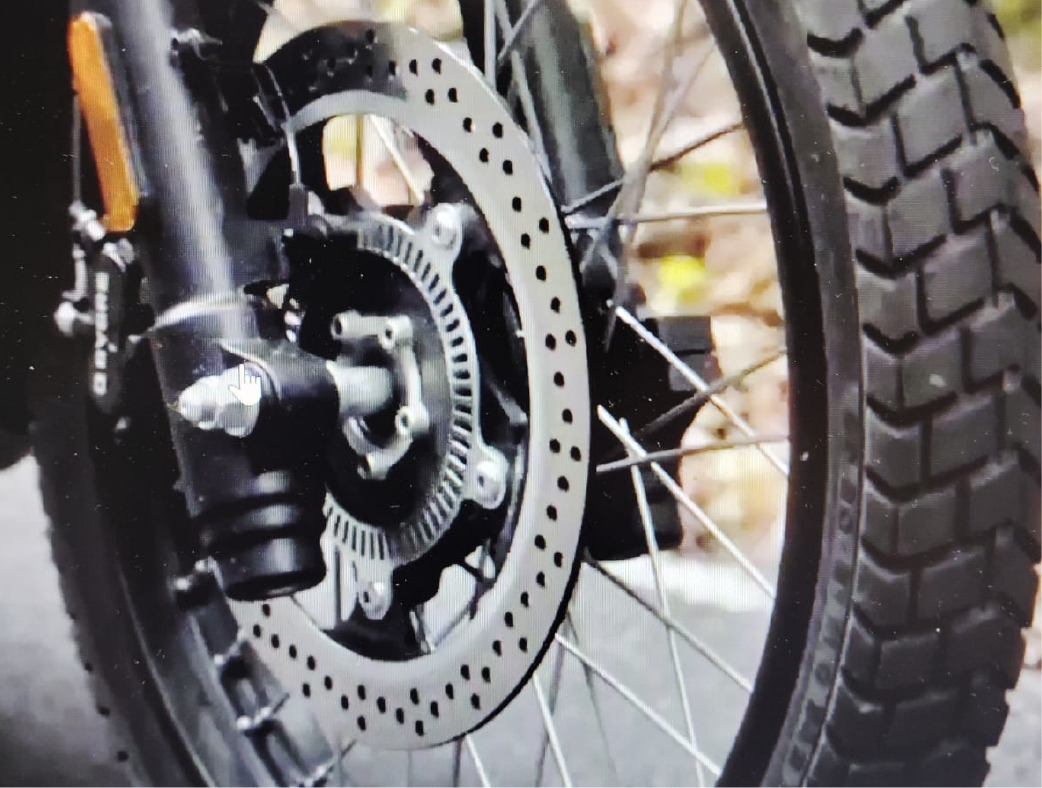
In technical terms, the system uses wheel speed sensors to detect when a wheel is about to lock. The control unit then momentarily releases and reapplies brake pressure multiple times per second. This controlled pulsing allows the rider to maintain steering input while braking, which is critical during evasive manoeuvres.
Instead of a panic-induced skid, ABS enables a more stable, composed stop, particularly in unpredictable real-world riding conditions.
What Is Single-Channel ABS?
Single-channel ABS operates on a single wheel, typically the front wheel.
Since the front brake provides most of the braking force, this system helps prevent front-wheel lockup during hard braking. It offers improved stability compared to non-ABS systems and is generally found in entry-level motorcycles.
A few advantages of Single-Channel ABS are:
-
Prevents front wheel skidding
-
More affordable
-
Lighter system weight
However, because the rear wheel does not receive ABS intervention, rear-wheel lockup can still occur during aggressive braking or on uneven surfaces.
What Is a Dual-Channel ABS Motorcycle?
A dual-channel ABS motorcycle features on both the front and rear wheels.
This means the system independently monitors wheel speed on both ends and adjusts brake pressure accordingly. The result? Greater balance, improved control, and significantly enhanced safety under demanding conditions.
A few advantages of Dual-Channel ABS are:
-
Prevents lock-up on both wheel
-
Superior braking stability
-
Better performance in wet or uneven road conditions
-
Enhanced rider confidence at higher speeds
As braking dynamics involve weight transfer and load distribution, having ABS on both wheels helps ensure a more composed, predictable stop.
Key Difference Between Single and Dual-Channel ABS
|
Aspects |
Single-Channel ABS |
Dual-Channel ABS |
|
Wheels Covered |
Front only |
Front & Rear |
|
Stability |
Moderate |
High |
|
Control in Emergency |
Limited rear control |
Full control |
|
Ideal For |
City commuting |
High-speed & varied terrain riding |
|
Pricing |
Less Expensive |
More Expensive |
Why It Matters for Serious Riders
Braking is not just about stopping; it’s about control under pressure.
During emergency braking, the weight shifts forward. While the front brake does most of the work, rear-wheel stability is crucial for maintaining alignment. A dual-channel motorcycle ensures that both wheels respond intelligently, reducing the risk of fishtailing or loss of traction.
For riders who value precision engineering and long-distance confidence, dual-channel ABS offers a clear advantage.
The Jawa Yezdi Perspective
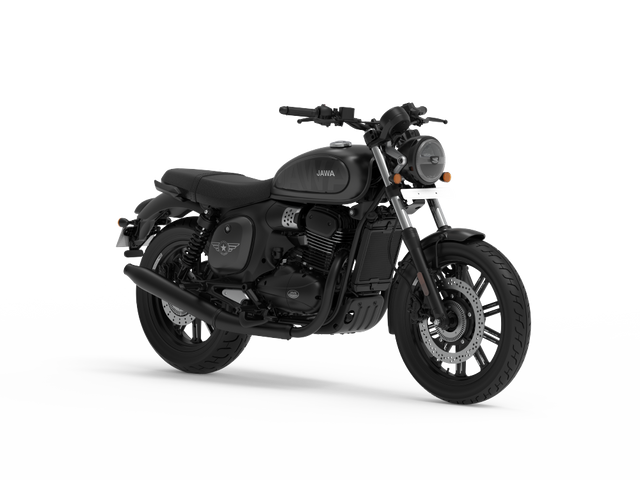
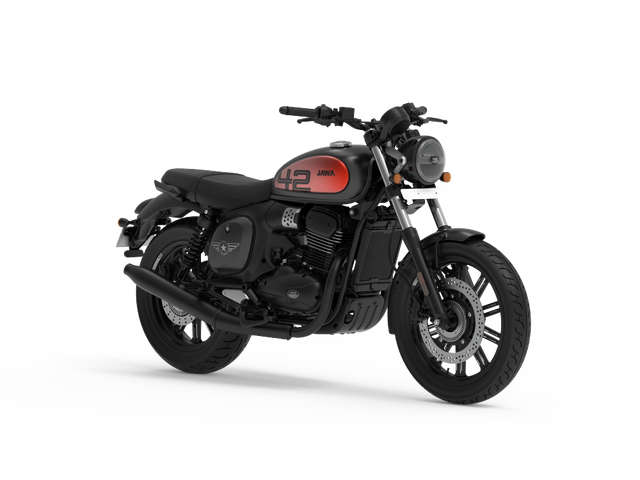
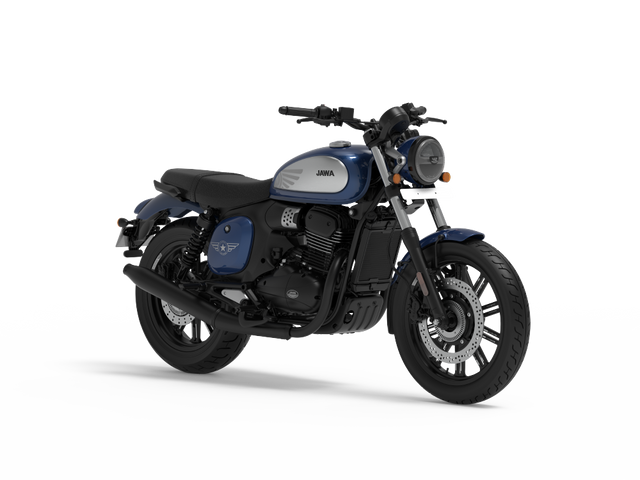
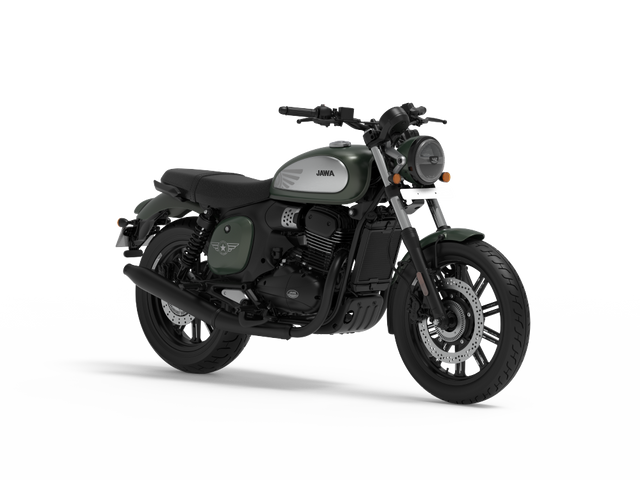
At Jawa Yezdi Motorcycles, braking performance is not treated as a specification in a brochure; it is engineered as a core part of the riding experience. Our motorcycles are equipped with Continental ABS calibration, refined and tested across diverse terrains to ensure consistent intervention, progressive feedback and predictable stopping power.
The system is tuned to complement the motorcycle’s chassis dynamics, allowing riders to experience controlled deceleration without compromising composure.
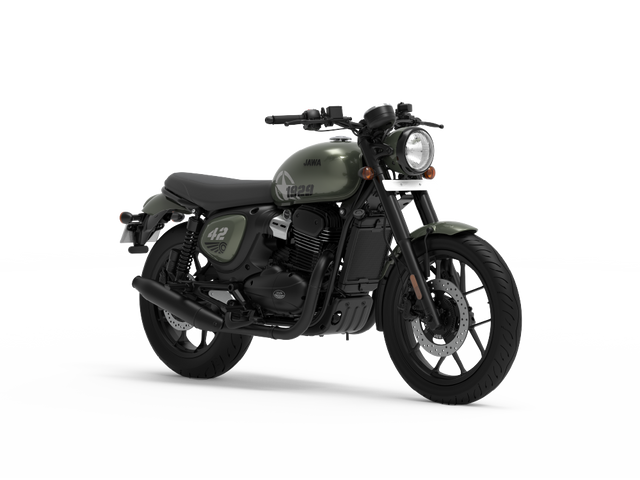
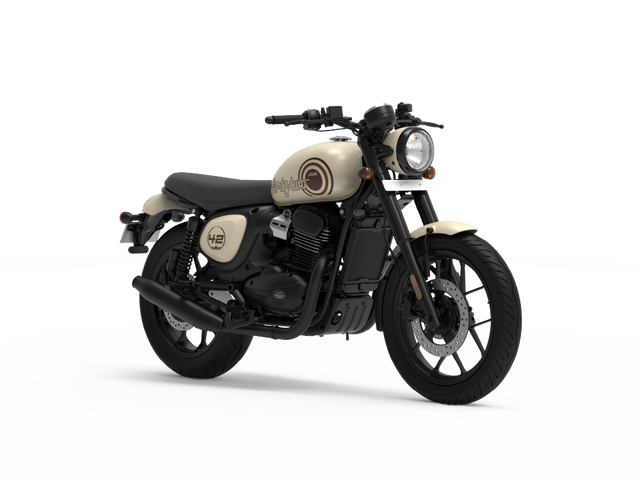
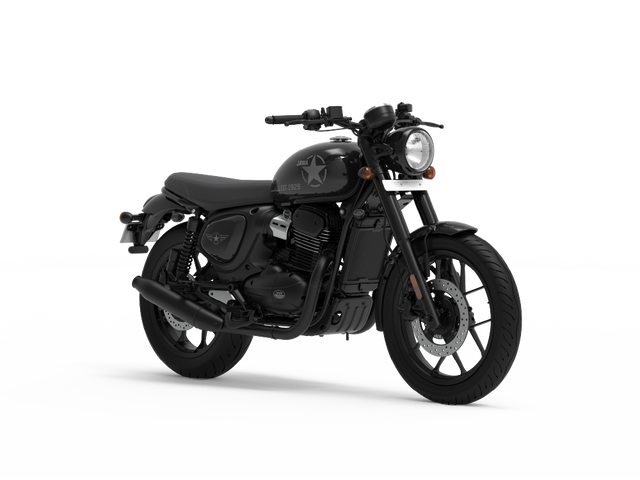
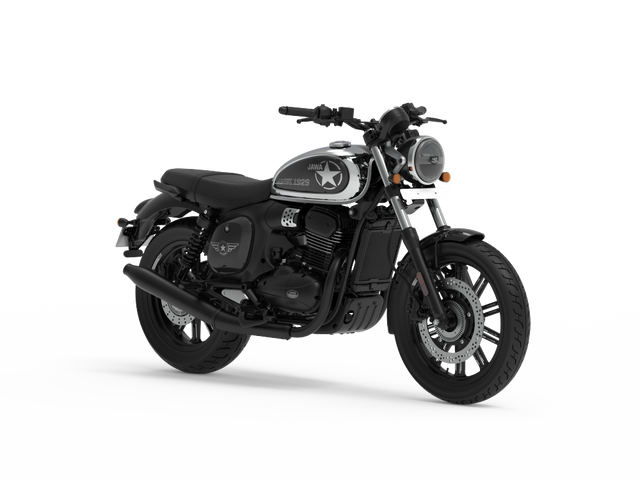
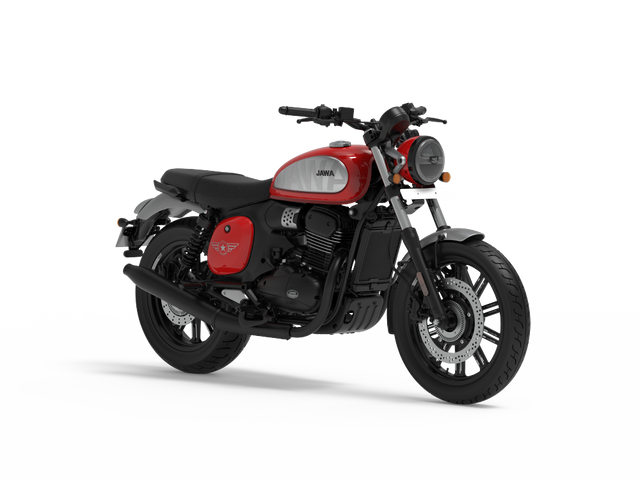
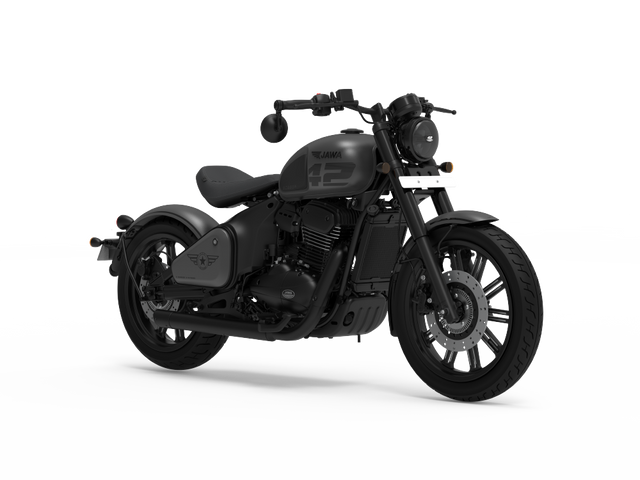
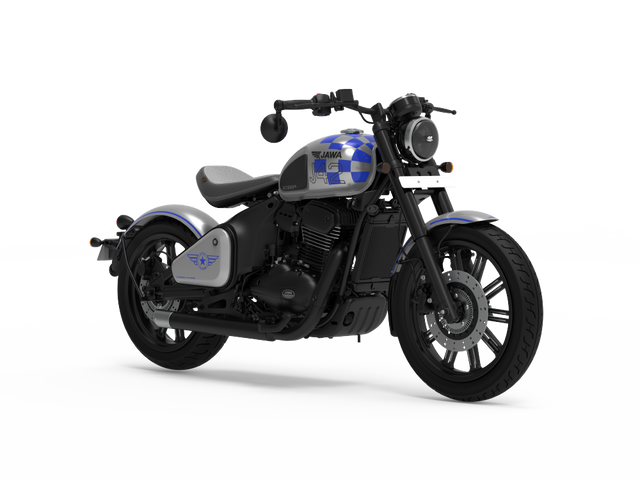
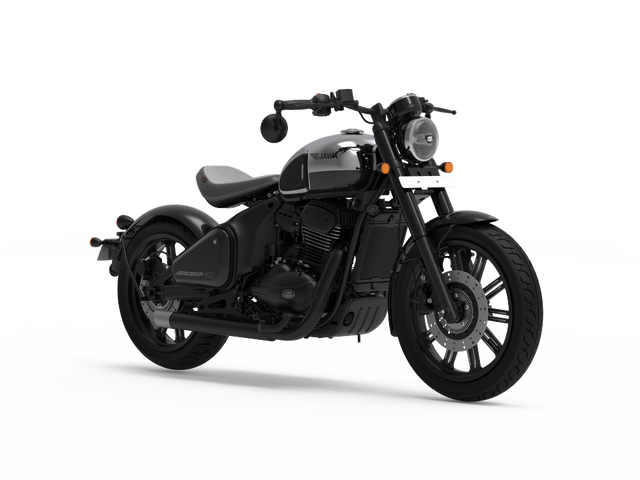
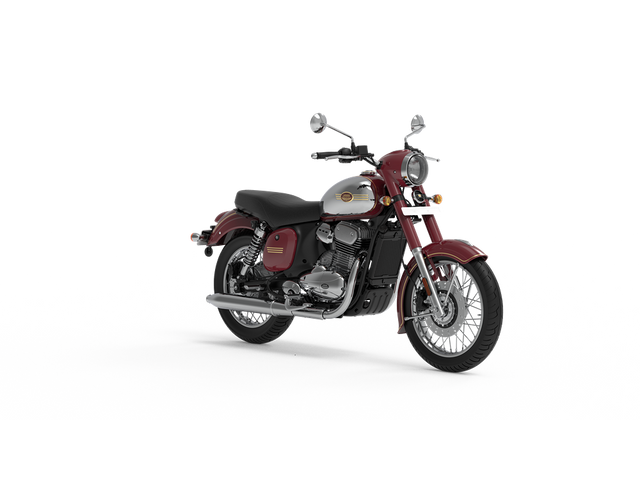
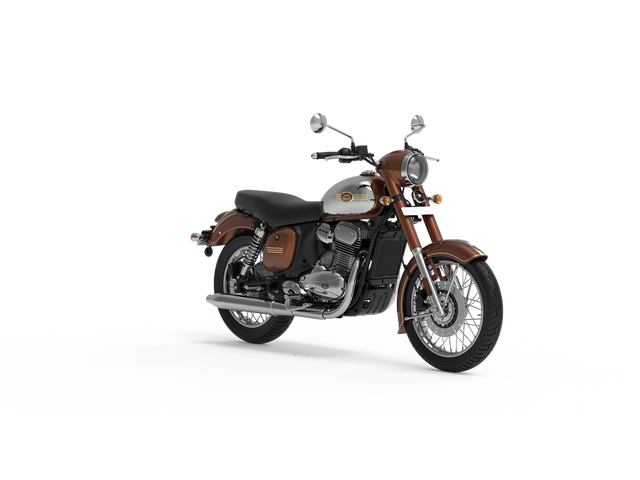
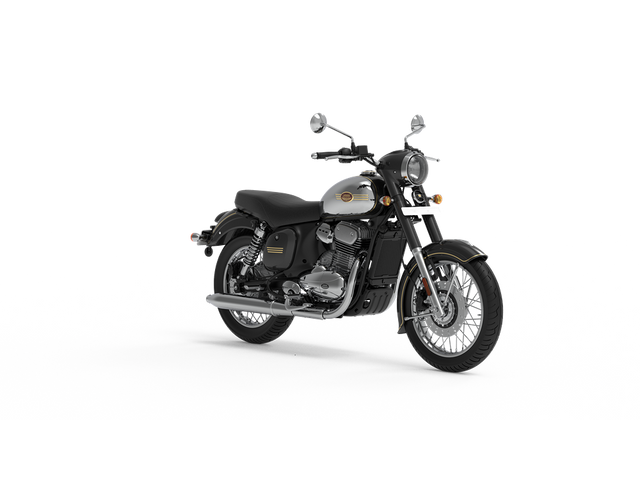
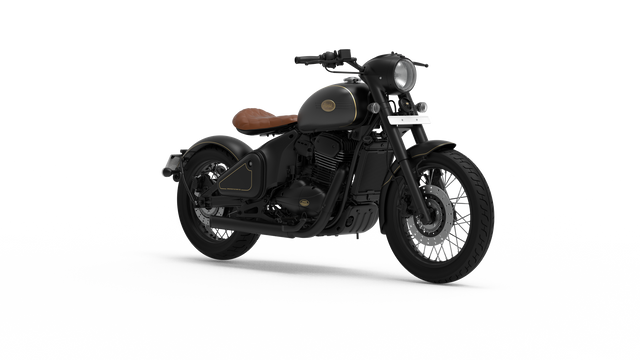
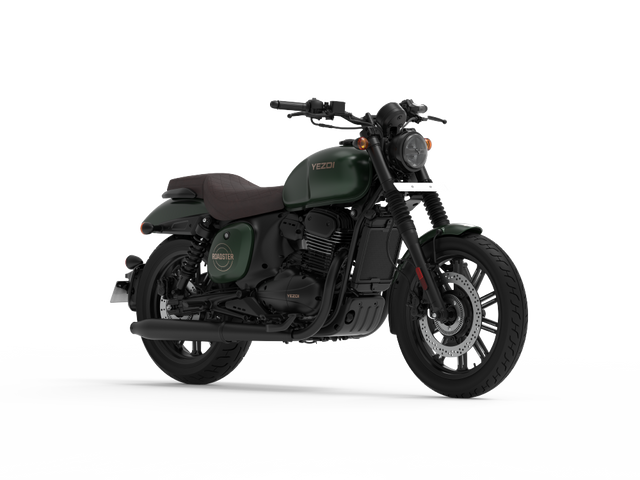
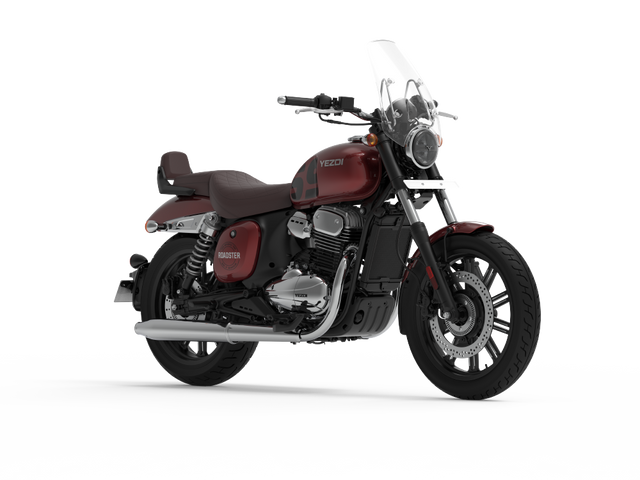
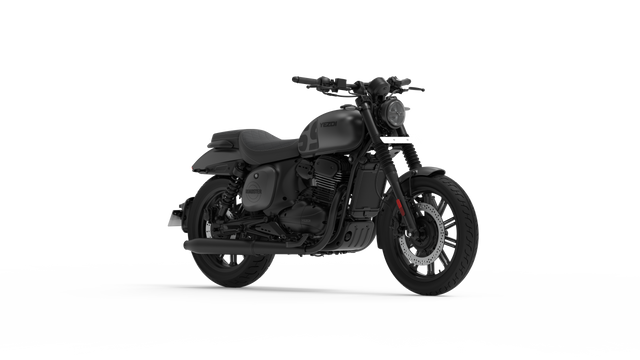
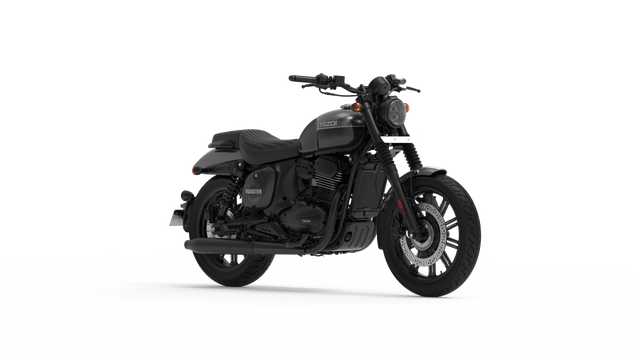
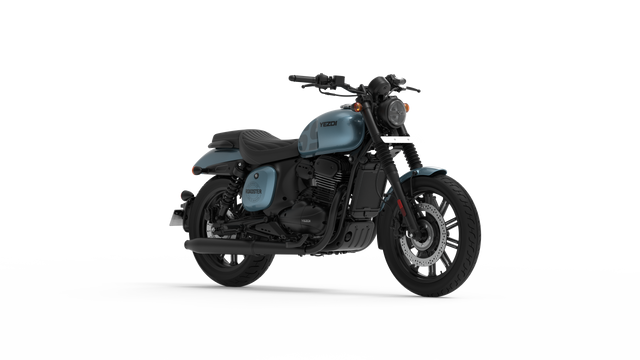
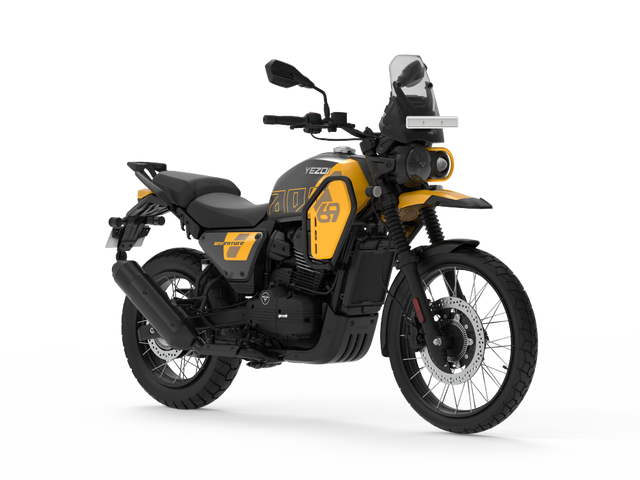
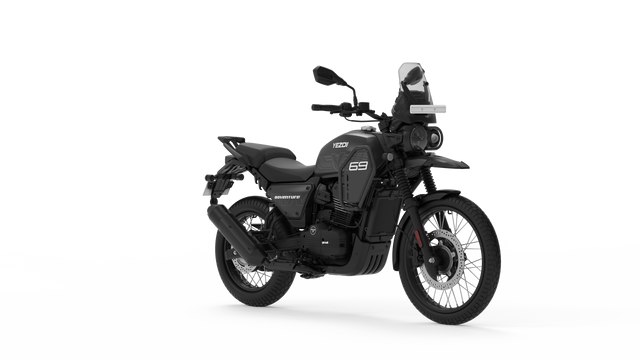
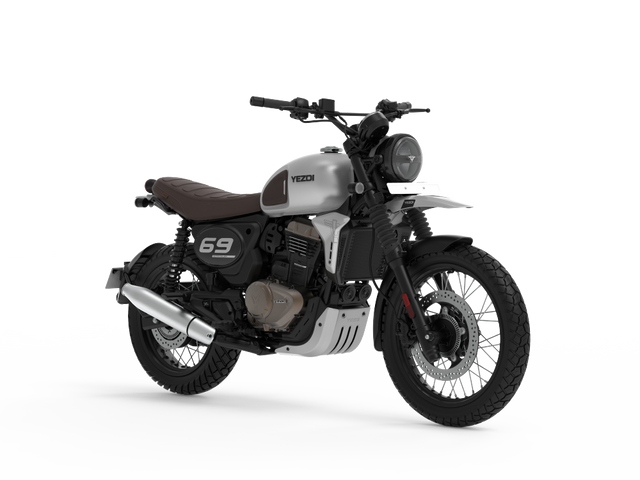
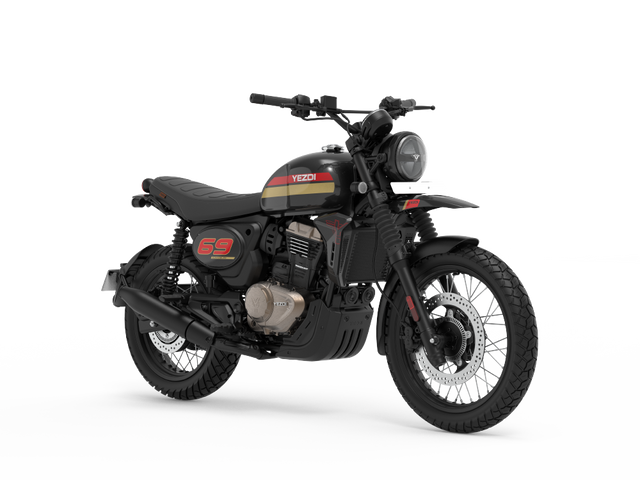
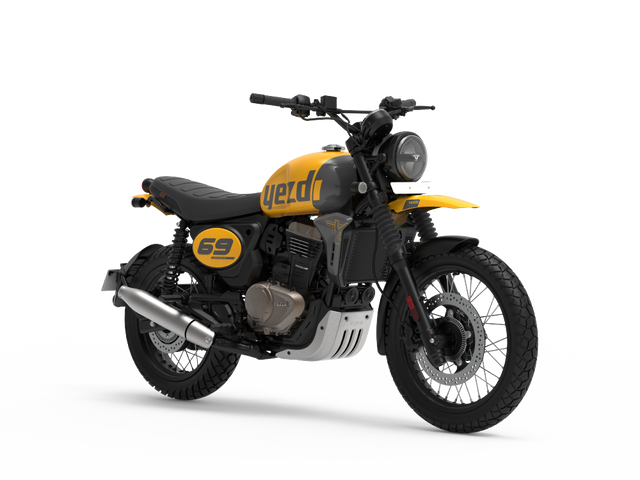
This is particularly evident in our dual-channel ABS motorcycle setup, where both wheels are monitored independently to enhance stability under hard braking. Jawa and Yezdi motorcycles deliver confident braking performance, especially in real-world riding conditions where road surfaces are rarely perfect.
For riders evaluating value alongside engineering, queries around Jawa Yezdi dual channel price or Jawa Yezdi dual channel ABS on-road price are common, and rightly so. What distinguishes Jawa or Yezdi motorcycles is that the pricing reflects not just a feature addition, but a thoroughly calibrated safety system developed with global expertise.
At Jawa, heritage meets precision, and when you apply the brakes, the motorcycle responds with assurance, not hesitation.
Conclusion
Braking technology is not just about stopping quickly; it is about staying in control when it matters most. Understanding the difference between single and dual-channel ABS helps riders make informed decisions based on their riding style and expectations.
Jawa and Yezdi motorcycles combine heritage design with modern engineering, ensuring safety feels reassuring rather than intrusive. Each motorcycle is designed to provide consistent comfort over uneven roads, keeping riders comfortable and relaxed, even on longer journeys.
With a growing service network, we ensure support is always within reach so that you can focus purely on the ride ahead.