

Modern motorcycles are built to deliver strong acceleration and precise handling. However, when too much power is applied to the rear wheel, the tyre can lose grip. This loss of traction can cause the wheel to spin uncontrollably and destabilize the motorcycle.
This is where motorcycle traction control becomes important. A traction control system helps a motorcycle maintain grip by monitoring wheel speed and adjusting engine power when it detects wheel slip. The system operates automatically, enabling the rider to accelerate confidently, even in challenging road conditions.
What is a Motorcycle Traction Control System?
A motorcycle traction control system is an electronic safety feature that prevents excessive rear wheel spin during acceleration. It constantly compares the rotational speed of the front and rear wheels using sensors.
If the rear wheel starts spinning faster than the front wheel, the system interprets it as a loss of traction. The motorcycle’s control unit then intervenes by reducing engine power until grip is restored.
This intervention happens in milliseconds. The rider often does not notice the system at work, yet it significantly improves stability and control. By limiting uncontrolled wheel spin, the system reduces the risk of skidding or loss of balance. The traction control on a motorcycle acts as an additional safety layer.
It prevents excessive rear‑wheel spin by adjusting engine power when traction drops. This is particularly useful for beginners or for roads where maintaining grip can be challenging.
How Does Motorcycle Traction Control Works?
A traction control system relies on several electronic components that work together to manage power delivery.
Wheel Speed Sensors
Motorcycles equipped with traction control use sensors placed near the front and rear wheels. These sensors measure how fast each wheel rotates. The system continuously compares both speeds while the motorcycle is moving.
Electronic Control Unit (ECU)
The ECU is the central computer that processes sensor data. When the ECU detects that the rear wheel is rotating significantly faster than the front wheel, it identifies this as wheel slip. The ECU then decides how much intervention is required.
Power Reduction
To restore traction, the ECU temporarily reduces engine power. It does this in different ways depending on the motorcycle design. Common methods include:
-
Adjusting ignition timing
-
Cutting fuel injection briefly
-
Controlling the throttle electronically
These adjustments happen almost instantly, and once traction returns, full power is restored.
When Riders Should Use Traction Control
Traction control is most beneficial in situations where tyre grip may be unpredictable. Usual scenarios include:
-
Riding in rain or on wet asphalt;
-
Travelling through sand, mud, or gravel;
-
Accelerating out of corners;
-
Riding on uneven terrain.
However, experienced riders sometimes turn off traction control during aggressive off-road riding to maintain greater throttle control. Switchable systems make it easy to adapt the motorcycle to these conditions.
Benefits of Motorcycle Traction Control
- Better Stability During Acceleration: Traction control prevents uncontrolled wheel spin when the rider accelerates aggressively. This helps maintain balance and forward stability.
- Safer Riding on Slippery Surfaces: Wet roads, loose gravel, and sand can reduce tyre grip. Traction control helps the motorcycle adapt to these surfaces by limiting excessive power delivery.
- Improved Rider Confidence: Knowing that the motorcycle has electronic assistance allows riders to focus more on control and less on managing sudden traction loss.
- Reduced Risk of Rear-Wheel Skid: A sudden loss of traction at the rear wheel can cause a slide or even a crash. Traction control minimises this risk by intervening quickly.
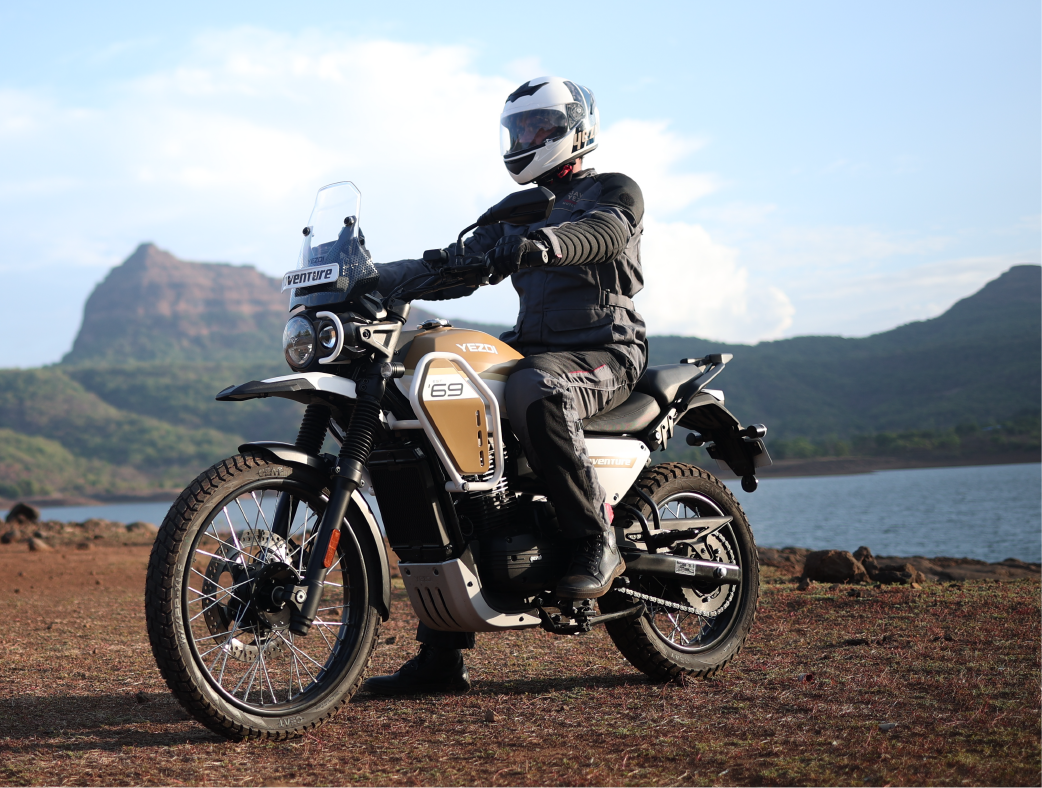
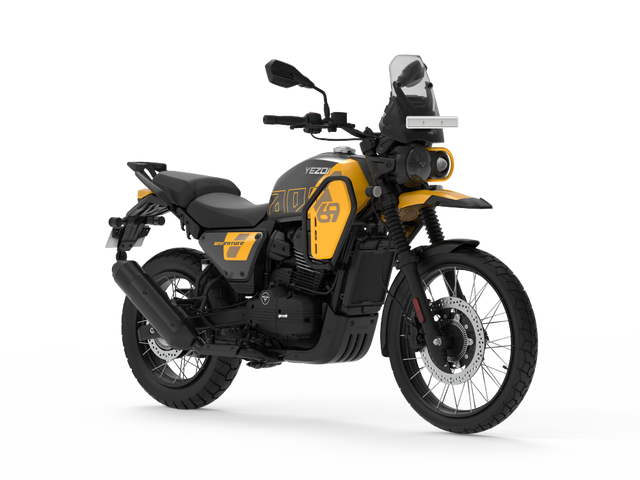
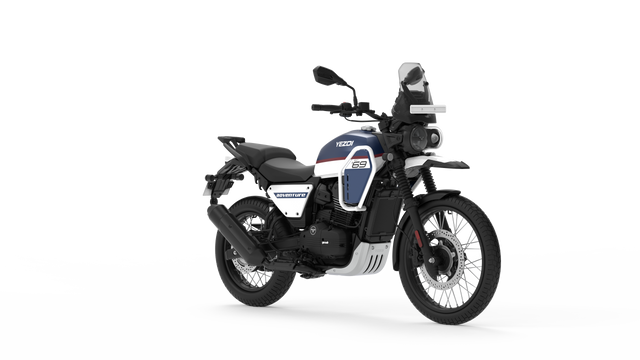
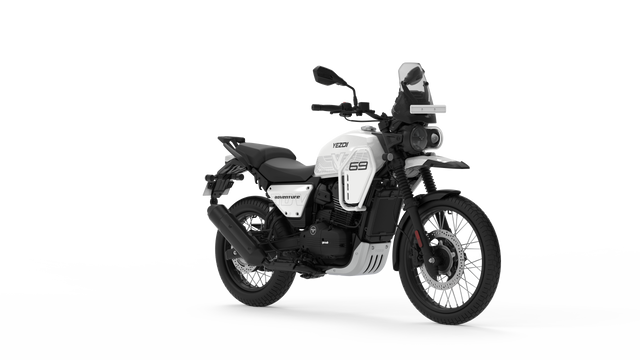
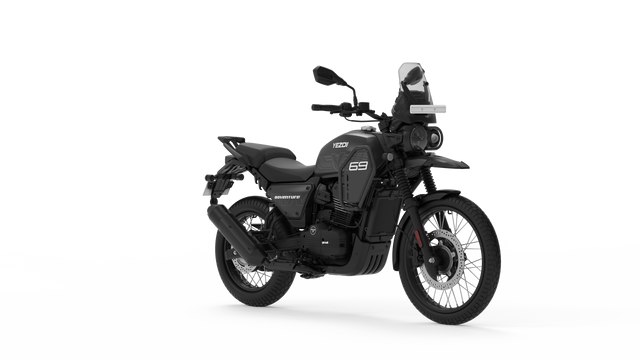
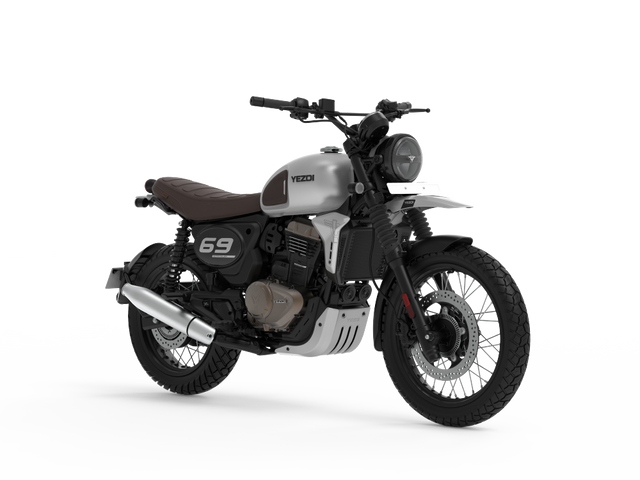
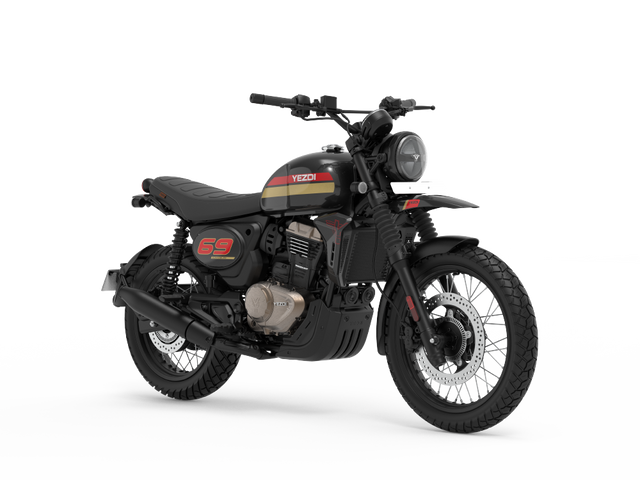
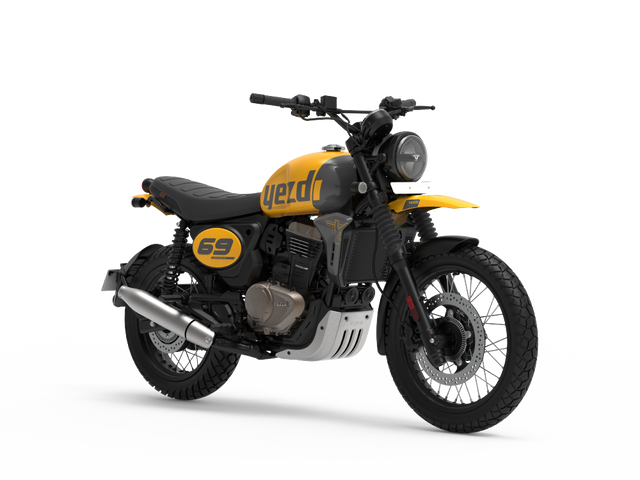
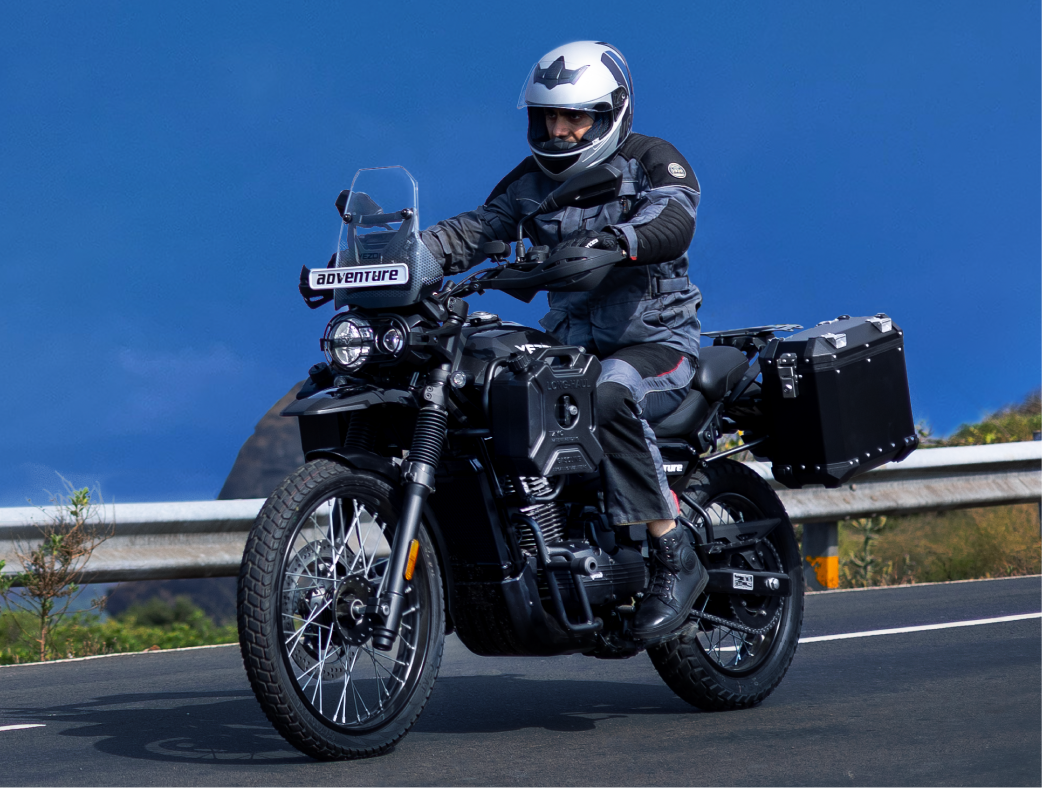
Traction Control in the Yezdi Adventure 2025
Modern adventure motorcycles benefit greatly from traction control because they frequently encounter mixed riding surfaces.
The Yezdi Adventure 2025 introduces an advanced, switchable Traction Control System (TC) alongside its 334cc Alpha2 engine, designed for varied terrain. The system works alongside three distinct ABS modes:
- Road Mode is designed for regular highway riding.
- Rain Mode increases electronic intervention for wet conditions.
- Off-Road Mode reduces intervention to allow controlled wheel slip on dirt trails.
This setup allows riders to adapt the motorcycle to changing environments.
For example, on wet roads, the system intervenes more aggressively to prevent wheel spin. On dirt or gravel trails, it provides limited slip, allowing the rider to maintain traction and momentum.
The traction control system continuously monitors wheel speed and adjusts power delivery to keep the motorcycle stable. This is especially useful on steep climbs, loose surfaces or when making sudden throttle inputs during off-road riding.
Conclusion
A motorcycle traction control system is an important safety technology that helps maintain tyre grip during acceleration. By monitoring wheel speed and regulating engine power, it prevents excessive wheel spin and improves stability in challenging riding conditions.
As motorcycles continue to evolve, traction control remains a key feature that balances performance with safety, giving riders the confidence to explore more demanding terrain while maintaining control.